
There is no single honest price for a Florida well water treatment system, because the cost depends entirely on what is in your water. A simple softener is a different job than a softener plus an iron filter, a sulfur system and a UV light. Below are realistic market ranges by problem type, why a water test has to come first, and why that test is free.
How much does a well water system cost?
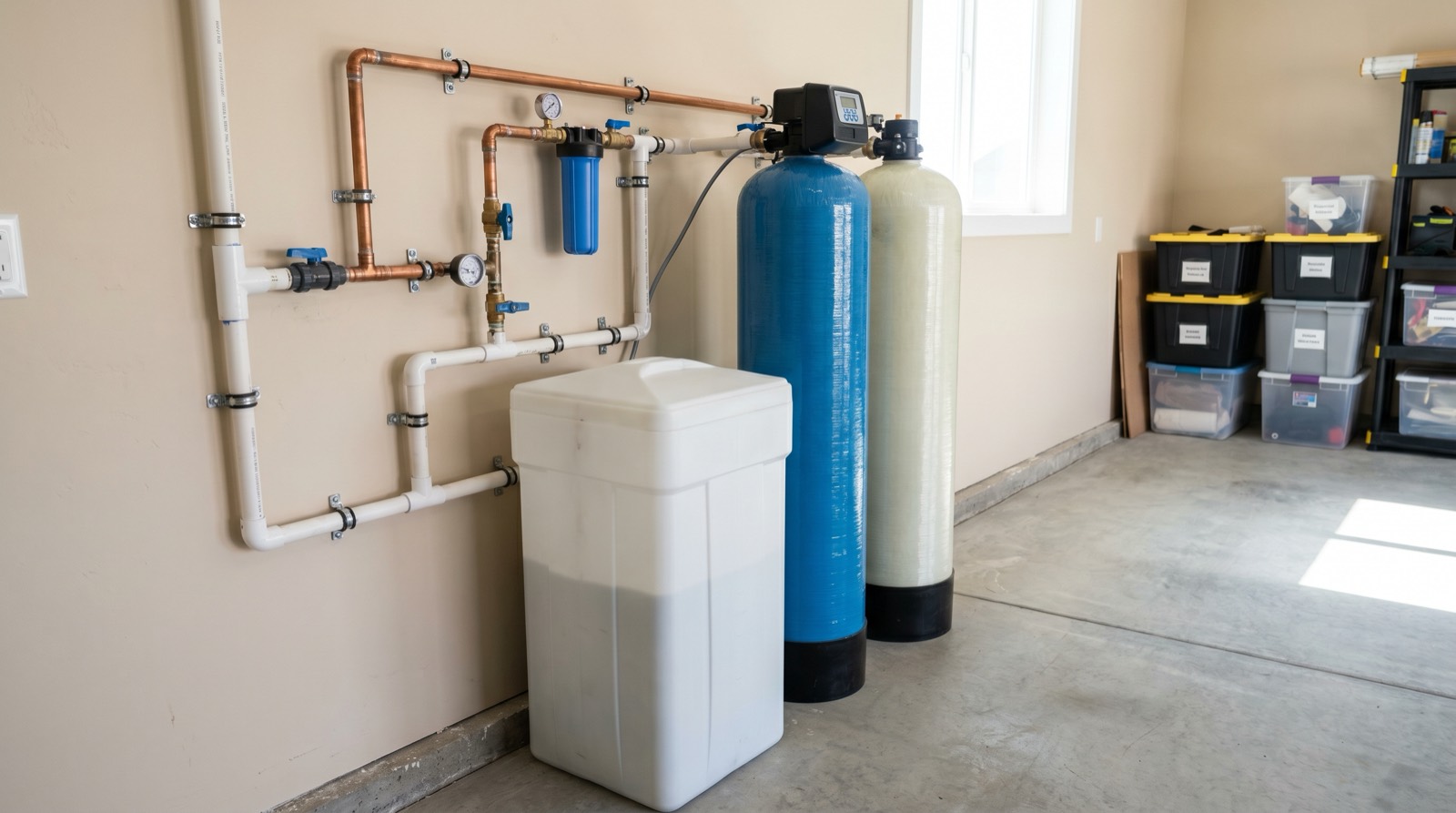
The straight answer is a range, not a number: a standalone water softener commonly runs in the low-to-mid four figures installed, while a full multi-stage well system that also tackles iron, sulfur, sediment and bacteria can reach the high four figures or more. We are giving you market ranges on purpose, because any company that quotes a single fixed price before testing your water is guessing. The right number for your home comes from knowing what is actually in the water, which is why every honest quote starts with a test.
Why is there no single price?
More than 43 million Americans rely on private wells, and the EPA leaves that water entirely to the owner, with no agency testing or treating it. In Florida, the limestone Floridan aquifer adds hardness, iron, sulfur and tannins on top, and the mix changes from one well to the next. Two homes on the same street can need very different systems: one only needs softening, the neighbor needs softening plus iron removal plus disinfection. Each added stage is real equipment with a real cost, so the price follows the problem, as our complete well water treatment guide explains in full.
Market price ranges by problem
These are general U.S. market ranges for residential equipment installed, not a Prevent Water price list. They exist to give you an honest sense of scale before a test confirms what your home needs:
| Problem in the water | Typical treatment | Market range (installed) |
|---|---|---|
| Hardness only (scale, spots) | Water softener (NSF/ANSI 44) | Low to mid four figures |
| Chlorine, taste and odor (city water) | Whole-house carbon filter (NSF/ANSI 42) | Low four figures |
| Iron staining + hardness | Iron filter + softener | Mid four figures |
| Sulfur smell, iron, bacteria (well) | Multi-stage system + UV disinfection | High four figures and up |
| Dissolved contaminants in drinking water | Reverse osmosis at the tap (NSF/ANSI 58) | Few hundred, added on |
What drives the final number?
Beyond the contaminants themselves, a few practical factors move the price within those ranges:
- How many problems stack up. Hardness alone is one tank; hardness plus iron plus sulfur plus bacteria is several.
- Household size and water use. A bigger family needs a system sized for higher flow, which uses larger equipment.
- Certification and media quality. Equipment certified to the right NSF/ANSI standard costs more than uncertified gear, and it is the difference that matters.
- Drinking-water polishing. Adding reverse osmosis at the kitchen tap is a smaller add-on for the water you actually drink and cook with.
If you are weighing whole-house treatment against point-of-use, our whole-house treatment page and the apartment and rental options lay out which approach fits which living situation.
Why the test comes first (and is free)
The honest sequence is simple: test the water, see the real problems, then size and price the system. That is the opposite of quoting a number first and reverse-engineering a system to match it. A free in-home test measures hardness, chlorine and metals, sediment and pH in about twenty minutes, and you walk away knowing exactly what your water needs, even if the answer is less than you feared.
We made it free for that reason: knowing what is in your water should not cost you anything, and it removes the guessing from the price entirely. Our free water test guide walks through exactly what the three on-site checks reveal, and the softener vs whole-house filter article explains which equipment solves which problem. When you are ready, you can schedule the free in-home test with no pressure to buy anything.
Frequently asked questions about treatment cost
What is the average cost of a whole-house water treatment system in Florida?
Honestly, there is no single average that means anything, because two homes on the same street can need very different systems. As a market range, a standalone water softener commonly runs in the low-to-mid four figures installed, while a multi-stage well system that also handles iron, sulfur and bacteria can reach the high four figures or more. The only way to get a real number for your home is to test the water first and size the system to the actual problems found. Prevent Water does that test in your home for free.
Why can't you just tell me a price over the phone?
Because a price quoted without testing your water is a guess, and an honest company will not guess with your money. The contaminants in well water vary house to house, even on the same aquifer: one well may only need softening, the next needs softening plus iron removal plus a UV disinfection step. Each added stage changes the equipment and the price. A quick in-home test removes the guessing so the quote matches what your water actually needs.
Is a water softener enough, or do I need more?
It depends on what the test finds. A softener (NSF/ANSI 44) only addresses hardness, the calcium and magnesium. If your water also has iron staining, a sulfur smell, sediment or bacteria, those need their own treatment stages, which is why many Florida well homes end up with a combined system rather than a single tank. The test tells you which problems you actually have so you do not pay for stages you do not need.
Are there ongoing costs after installation?
Yes, and they are worth knowing up front. A salt-based softener needs salt refills periodically. Filter cartridges and carbon media are replaced on a schedule. UV lamps are typically changed once a year. These running costs are modest compared with the system, but an honest provider should walk you through them before you buy so there are no surprises.
Does treating the water actually save money?
Often, yes, though we will not promise a specific dollar figure. The U.S. Department of Energy notes that scale from hard water reduces water heater efficiency and shortens appliance life, and independent studies have shown softened water keeps heaters and washers running longer. Removing hardness and corrosive water can reduce plumbing damage and appliance replacement over time. The savings are real but vary by home, which is the honest way to put it.
Sources
- U.S. Environmental Protection Agency. Private Drinking Water Wells; Drinking Water Regulations. epa.gov
- U.S. Department of Energy. Water Heaters and the Effect of Scale on Efficiency. energy.gov
- NSF International. NSF/ANSI 42, 44, 53 and 58 Drinking Water Treatment Standards. nsf.org
- Water Quality Association. Cost and Selection of Home Water Treatment. wqa.org
- U.S. Geological Survey. Water Hardness and Florida Groundwater. usgs.gov
- Florida Department of Health. Private Well Testing and Treatment Guidance. floridahealth.gov